
Self-paced short course for women · 3 short lessons· Finish in a week
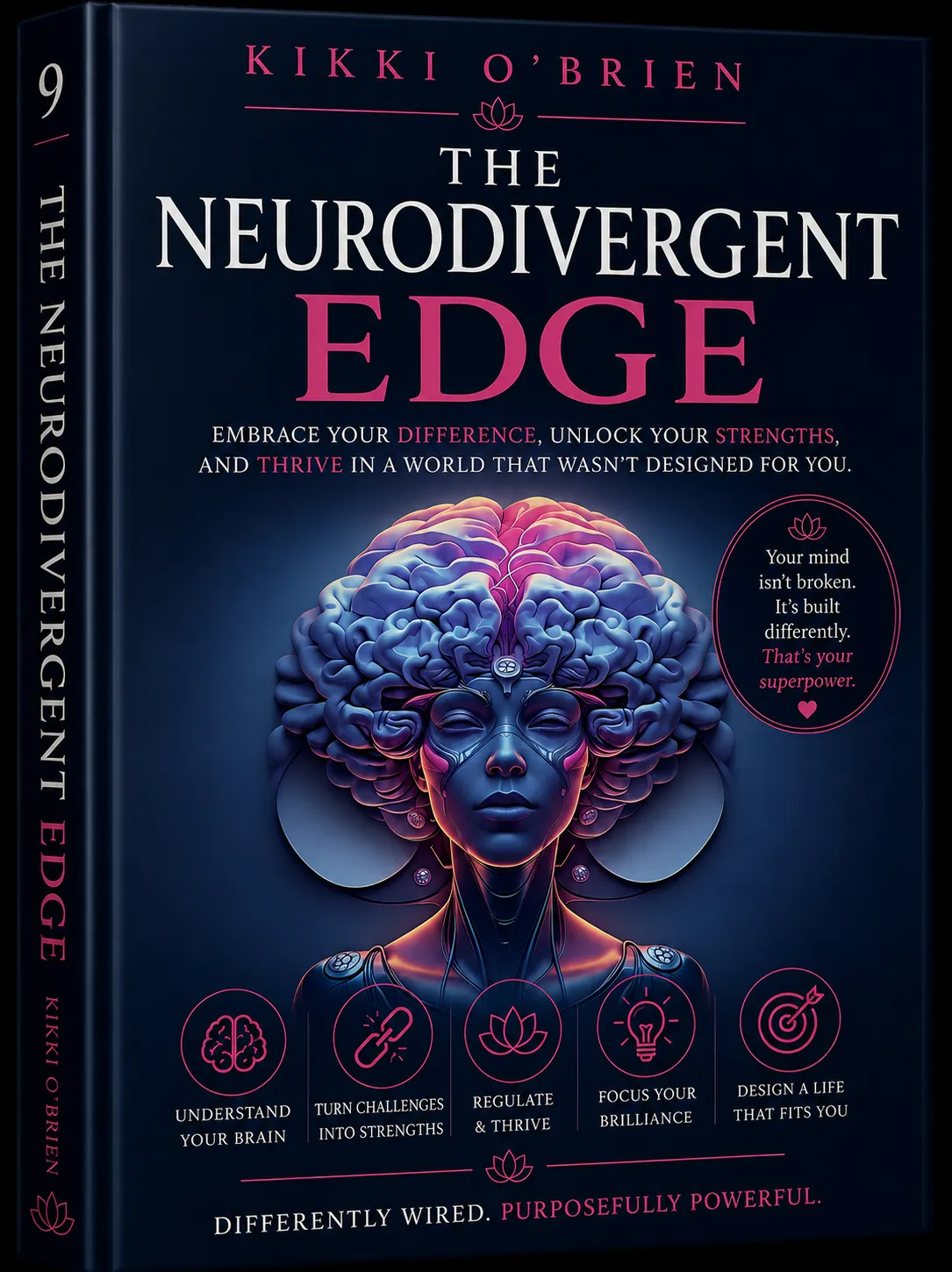
The Neurodivergent Edge:
why your focus changes across the month, and how to work with it
Learn how your hormones interact with a neurodivergent brain, and build training and daily systems that fit how you actually work: on the sharp days, the scattered days, and everything in between.
Self-paced short course for women · 3 short lessons· Finish in a week
The Neurodivergent Edge: why your focus changes across the month, and how to work with it
Learn how your hormones interact with a neurodivergent brain, and build training and daily systems that fit how you actually work: on the sharp days, the scattered days, and everything in between.
Created by Kikki O'Brien
Personal trainer
Mental Health First Aid certified
Evidence-based, no hype
Created by Kikki O'Brien
Personal trainer
Mental Health First Aid certified
Evidence-based, no hype
Get it for only
$197 USD
Learn at your own pace, on your own schedule.
Sound familiar?
Training and health advice was never built for your body
“My focus and motivation seem to change completely depending on the week.”
That's not inconsistency. Shifts in estrogen and progesterone can change dopamine, focus and sensory tolerance — and a neurodivergent brain often feels those shifts more.
“I know what to do. I just can't make it stick.”
That's not a willpower problem. Most habit advice assumes neurotypical executive function. When the system doesn't fit your brain, it's the system that needs changing.
“I've spent years thinking something was wrong with me.”
Nothing is wrong with you. Neurodivergent traits are differences to design around, not flaws to fix — and once you can see the pattern, you can plan for it.
None of this means you're lazy, flaky or broken. Your brain and hormones are working together in ways most advice ignores. Once you can see how, you can build around it on purpose.
Get it for only
$197 USD
Learn at your own pace, on your own schedule.
Why this works
Your cycle changes your brain chemistry. Estrogen and dopamine are closely linked, and progesterone has a calming, GABA-related effect. When they shift, focus and motivation can shift too.
Systems beat willpower. Put the plan outside your head — visible cues, small starts, clear finish lines — and your brain does less of the heavy lifting.
Your environment is part of the plan. Noise, light, crowds and pressure all cost energy. Change them and training stops draining you before you've started.
What this course isn't
✗ Not a diagnosis or an assessment
✗ Not medication advice, and not a replacement for your GP, psychiatrist or psychologist
✗ Not "fix your brain in 7 days" hype
✓ A clear, science-based explanation of how your hormones and neurodivergent brain interact, and practical systems to work with both
INSIDE THE SHORT COURSE
What you'll learn

1. Your Hormones and Your Neurodivergent Brain
Estrogen, progesterone and cortisol all affect how your brain works, and a neurodivergent brain often feels those shifts more. Learn what changes across your month, and how to plan around it instead of pushing through.
Why focus and motivation can rise and dip with estrogen
How progesterone's calming effect can change how you feel before your period
Why noise, stress and busy spaces can hit harder some weeks
How medication, food and your cycle can interact, and what to ask your prescriber

2. Your Executive Function Toolkit
Knowing what to do usually isn't the hard part. The hard part is starting, remembering and keeping going. Learn simple systems that take the load off your brain, so your habits don't depend on willpower.
Getting plans out of your head and onto something you can see
Small, satisfying goals that make it easier to start
Using cues, routines and people to keep you on track
A plan B for low-energy days, so one bad day doesn't end the habit

3. Training That Works With Your Brain
Most gyms and programs are set up for one kind of brain. Learn how to build (or ask for) training that suits your senses, your energy and the way you stay motivated.
Setting up a space that doesn't overload your senses
Goals that keep you interested, not just accountable
Structure that helps without feeling rigid
How to tell a coach what you need, and what good support looks like
1. Your Hormones and Your Neurodivergent Brain
Estrogen, progesterone and cortisol all affect how your brain works, and a neurodivergent brain often feels those shifts more. Learn what changes across your month, and how to plan around it instead of pushing through.
Why focus and motivation can rise and dip with estrogen
How progesterone's calming effect can change how you feel before your period
Why noise, stress and busy spaces can hit harder some weeks
How medication, food and your cycle can interact, and what to ask your prescriber
2. Your Executive Function Toolkit
Knowing what to do usually isn't the hard part. The hard part is starting, remembering and keeping going. Learn simple systems that take the load off your brain, so your habits don't depend on willpower.
Getting plans out of your head and onto something you can see
Small, satisfying goals that make it easier to start
Using cues, routines and people to keep you on track
A plan B for low-energy days, so one bad day doesn't end the habit
3. Training That Works With Your Brain
Most gyms and programs are set up for one kind of brain. Learn how to build (or ask for) training that suits your senses, your energy and the way you stay motivated.
Setting up a space that doesn't overload your senses
Goals that keep you interested, not just accountable
Structure that helps without feeling rigid
How to tell a coach what you need, and what good support looks like
WHO THIS IS FOR
This short course is for you if…
You're neurodivergent (diagnosed or self-identified) and tired of advice that wasn't built for your brain
Your focus, motivation or energy changes noticeably across your cycle
You want practical systems that don't rely on willpower
You're a coach or trainer who wants to work in a genuinely neuro-affirming way
This probably isn't for you if…
You want a diagnosis. This course can't give you one. Your GP is the place to start.
You want medication advice. That's for your prescriber. This course helps you know what to ask.
You're struggling to stay safe right now. Please contact your GP, or Lifeline on 13 11 14.
OUTCOMES
By the end, you'll…
Understand how your hormones and your brain interact across the month
Have your own toolkit for starting and sticking with habits, without burning out
Know how to set up (or ask for) training that suits your senses and energy
See your neurodivergent traits as something to plan around, not something to fix
Cert III & IV in Fitness
Mental Health First Aid Certified
CPR & First Aid Certified
Certified Neuroscience-Based PDP
Meet your coach
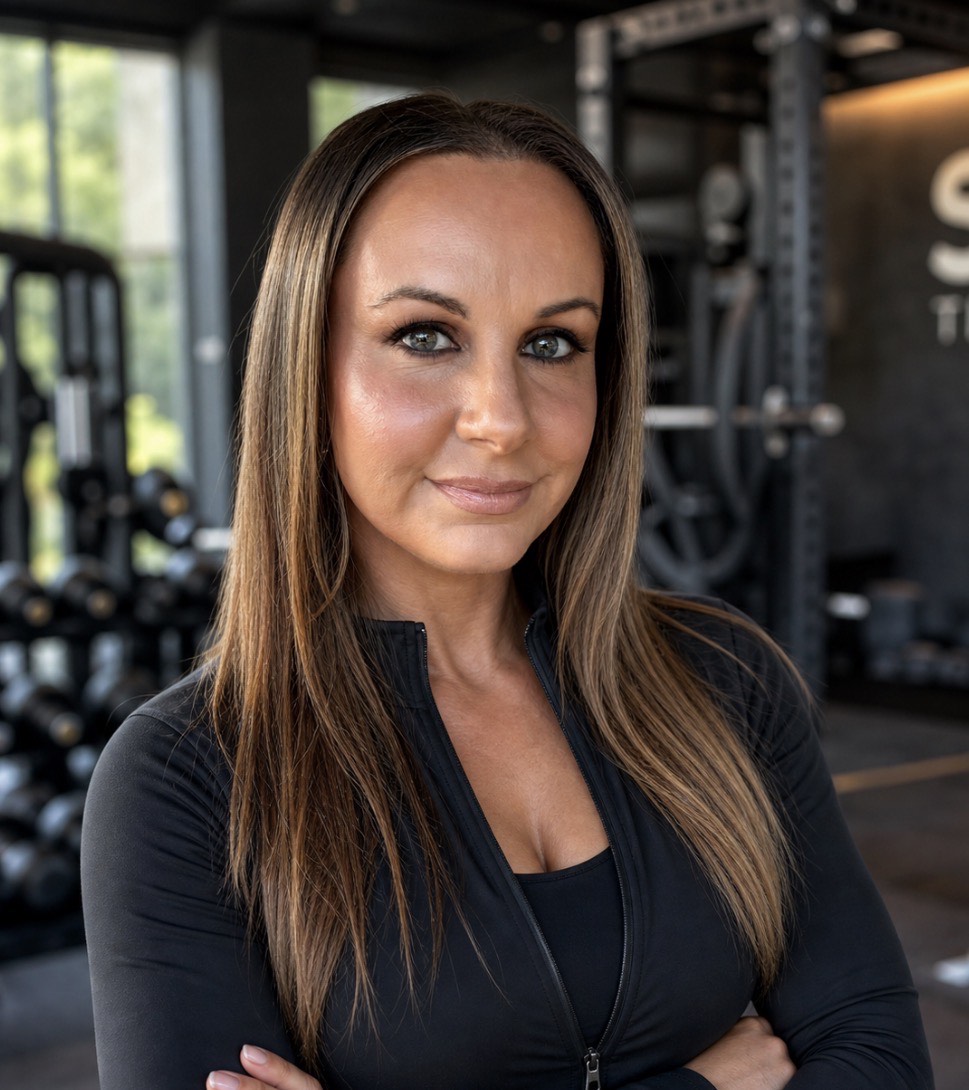
Hi, I'm Kikki — and I built KIKO because I needed it too
I'm a personal trainer and health consultant, a mum of two, and a neurodivergent woman living with ADHD and Functional Neurological Disorder. I know exactly how hard it is to prioritize your health when life won't slow down for you.
That's why KIKO treats the mind and body as one project, not two — combining science-based strength training with neuroscience, hormone health and real-life practicality.
Cert III & IV in Fitness
Mental Health First Aid Certified
CPR & First Aid Certified
Certified Neuroscience-Based PDP
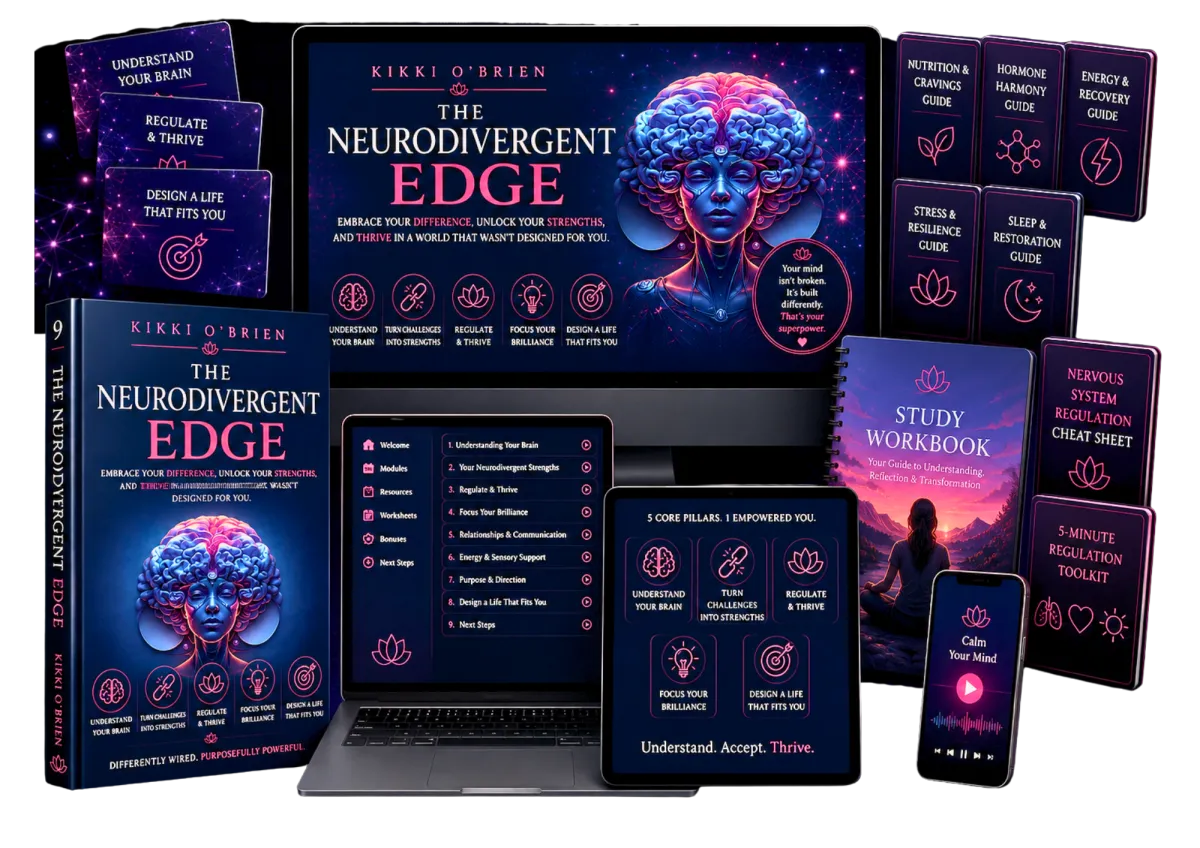
Everything you get
Your Enrollment Includes:
One payment, instant access, and 12 months to learn at your own pace. It's not just lessons: you also get practical tools to track, plan and act on what you learn.
What's included
3 video lessons How your hormones affect your focus, how to build systems that fit your brain, and how to train in a way that works for you. About 2.5 hours in total.
Course workbook Reflection prompts and short exercises for each lesson, so you work out what applies to you.
28-Day Cycle & Focus Tracker A simple daily log to help you notice how your cycle, sleep, energy and focus connect for you.
Executive Function Toolkit Practical strategies for getting started, planning, remembering and switching between tasks.
Task-Starter Worksheet Turns an overwhelming task into one clear first step.
Flexible Goal Templates Goals with small starts, clear finish lines and a plan B, so nothing is all-or-nothing.
Also included
Sensory Environment Checklist Spot what might be draining you in a space: noise, light, touch, temperature, movement or people.
Personal Sensory Profile Write down what helps, what overloads you and what you need, so it's easier to tell a coach or trainer.
Quick-Reference Action Plan What to do when you can't get started, feel overloaded, miss a session or have less energy than planned.
Australian Support Pathways When and where to get qualified Australian help for neurodevelopmental, hormonal, medication or mental health concerns.
Private community access support and accountability with other women doing the same work
Everything unlocks instantly, and it's yours to use for 12 months.
Because everything unlocks instantly the moment you enroll, we don't offer change-of-mind refunds. This doesn't affect your rights under the Australian Consumer Law. Not sure yet? Book a free 20-minute consult and we'll talk it through first.
This short course is one of ten inside the full 12-week KIKO Masterclass (US$999). Love this one? If you decide to go all in after finishing this one, we'll credit your $197 USD toward it within 12 months of enrolling Book a free consult and we'll chat about whether the full program is your next step.
GOOD TO KNOW
Frequently asked questions
Do I need a formal diagnosis to take this course?
No — this course is relevant whether you have a formal diagnosis, are in the process of seeking one, or simply identify with neurodivergent traits. The tools are designed to be useful either way.
How does the course work, and how long do I get?
You get instant access the moment you enrol. Everything is self-paced — watch the lessons whenever suits your week — and you keep access for 12 months, including any future updates and improvements at no extra cost.
Is this a substitute for medical or psychiatric care?
No. This course is educational, focused on practical systems and understanding the hormone-brain connection — it doesn't diagnose, treat, or replace guidance from your doctor, psychiatrist or therapist.
Can I upgrade to the full 12-week Masterclass later?
Yes. This short course is one of ten inside the 12-week KIKO Masterclass ($999), which covers your brain, hormones, gut, strength, sleep and long-term wellness. If you'd like to upgrade after finishing this short course, just get in touch — that's exactly what the free consult is for.
YOUR INVESTMENT
You don't need more willpower. You need systems built for your brain.
Three short lessons. Tools you can use the same week. 12 months to come back to them. US$197 — one payment, 12 months' access. Less than two personal training sessions. This one you keep.
YOUR INVESTMENT
You don't need more willpower. You need systems built for your brain.
Three short lessons. Tools you can use the same week. 12 months to come back to them. US$197 — one payment, 12 months' access. Less than two personal training sessions. This one you keep.
One-time payment · No subscriptions · No hidden fees
Questions? Contact us at [email protected]
KIKO MIND & BODY © 2026. All rights reserved
Disclaimer: All content on Kiko Mind & Body is provided for informational and educational purposes only. It is not intended to diagnose, treat, cure, or prevent any physical or mental health condition, nor should it replace professional medical, nutritional, or psychological advice. Always consult a qualified healthcare professional regarding any medical concerns. Use of this site and its resources is strictly at your own risk.